Thursday, March 7, 2013
Monday, February 25, 2013
Bring a smile.. :)
Physics Teacher-Issac Newton was sitting under a tree
when an apple fell on his head and he discovered gravity.Isn’t that wonderful.
Student-Yes sir,if he had been sitting in class
looking at book like us,he would not have discovered anything.
Teacher-Why are you
late,Joseph?
Joseph-Because of a sign
down the road.
Teacher-What does a sign
have to do with your being late?
Joseph-The sign
said,SCHOOL AHEAD,GO SLOW!
Teacher-Here is a math problem.If
your dad earned $300 dollar a week and he gave your mother half,what should he
have?
Student-A heart attack.
Teacher-John,why are you doing your
math’s multiplication on the floor?
John-You told me to do it without
using tables.
Wednesday, February 13, 2013
MY VISION -THE BETTER INDIA
My vision of
India in 22 century is an optimistic one, i.e., India will make great progress in every field. I wish that by 22 century AD, India will rid itself of the discriminating nature of
its vices like the dowry system, child labor and discrimination against
women or weaker sections of the society. I hope that everyone will have Roti (food), Kapra(clothes)and makaan(house).
The Business and employment development will
have a balanced look providing jobs and employment for all leading to success and at the same time conserving our natural resources, not sacrificing either at the cost of the other.
Every person's monthly income would be sufficient to sustain their families. Farmers and labors
would not have to commit suicide due to the burden of debt.
There will be no more increase in the population
of India. I hope by that time India will have a good human resource
development policy, i.e., meaningful education for all, education which results in making the masses employable. The policy would be so designed that it will help in developing the
advanced and relevant education system for
everyone. I am hopeful that our country will emerge as one of the leaders
in science and technology field. The rate of literacy would reach to 100% is what I expect. My desire is to see India as one the world’s developed countries.
I am
also very optimistic in the field of Health and medical facilities of the
country. There will be a great expansion of the infrastructure for health and
medicine to ensure health for all, making India a giant in the field of the medicine and modern science. The rich brain power of India which is spread across the globe would make huge contribution to India.
Infrastructure
system would be good with the roads connecting towns with main cities so
much so that people instead of migrating to the big cities would stay in the
small towns itself reducing the pressure on the infrastructure.
I am hopeful that politics of India will be
clean, strengthening the democracy in India. Everyone will be fearless and would exercise their right to vote in elections. There will be no discrimination in
caste, region, etc.
Let’s work together to make for a Better Vision of India.
Saurabh Pandey
VIII
Coping with Examinations - A student's view
EXAMINATION
There is hardly any student who has never experienced any stress or pressure during the exams. During exam times, the students feel just a little excitement or thrill. The approach of examinations means the beginning of fear in the mind of student. The bugbear of an examination interrupts the smooth course of a student’s life like games, musical concerts, debates etc. All these activities are stopped when examinations approach.
Students are not to be found at the cinema houses, restaurants and other places of entertainment during those days. Examinations are held to test student’s ability to check up the work they have done during a term, to judge what progress they have made and to determine whether they have been utilizing or wasting their time.
If there were no examinations, the merits of the various students could not be judged, nor would the majority of students take any interest as it is only the fear of examinations, they are aware that their marks will be communicated to the guardians who will take them to task if the results are not satisfactory.
They know also that if they fail they will experience a feeling of humiliation. All these things combine to urge a student to hard work. Examinations are, therefore, an incentive to work hard. The scheme of internal assessment introduced some years ago by some institutions in intended as a step in the direction to keep a watch on the student’s labor and regularity in their studies. However, even this has its own drawbacks.
We are not the only one who is facing the examinations .Generations has appeared in the past for examinations and generations will be appearing in the future too. The fact is one cannot do away with it nor can students run away from the examinations. Many of us are able to learn and integrate information well, yet when it comes to being tested in an exam, some of us suffer from ‘exam stress’ and unable to perform well .
What are the reasons for exams fear?
Personal Experiences.
Fear of Failure.
Fear of being judged by the significant people.
Expectations from self, parents, teachers.
Peer pressure.
Naturally nervous, anxious and worried.
Not prepared thoroughly, Poor skills and study habits.
'Doing your best is important than being the best'... using this as the motto for success I would like to wish all my friends a very Best of Luck for the fast approaching Exams.
Ratnesh Pandey
VII
Ratnesh Pandey
VII
Thursday, February 7, 2013
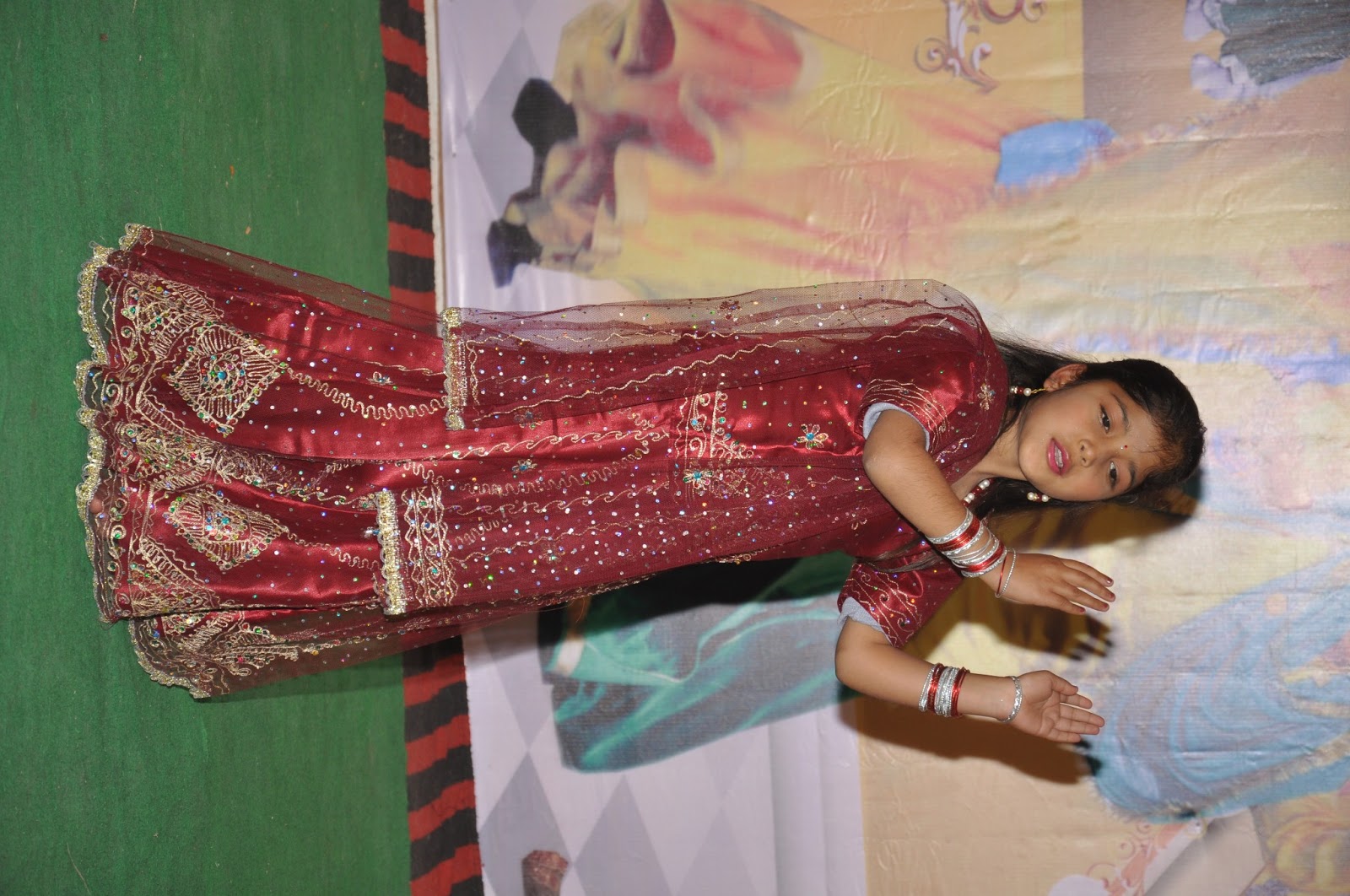
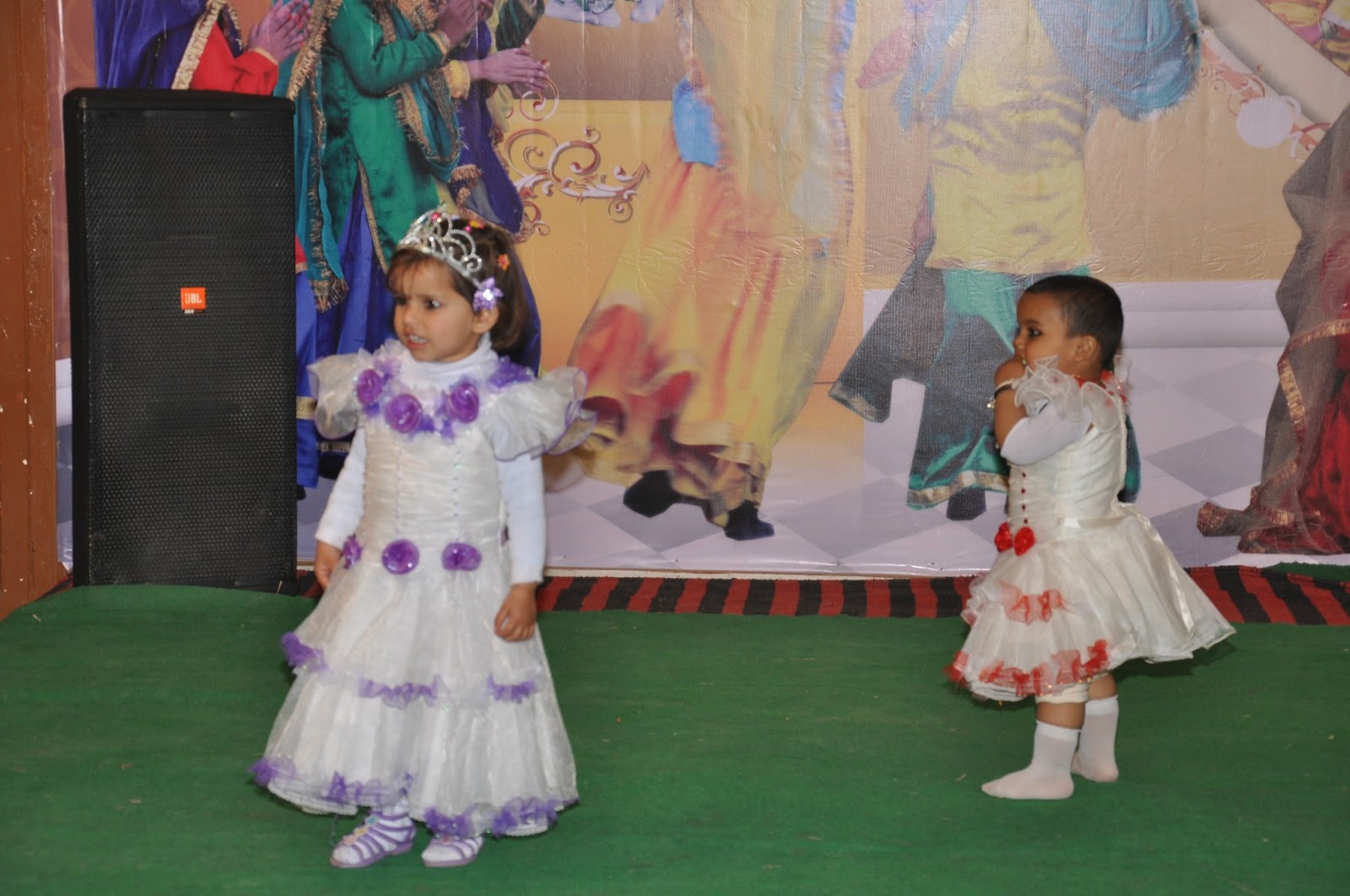
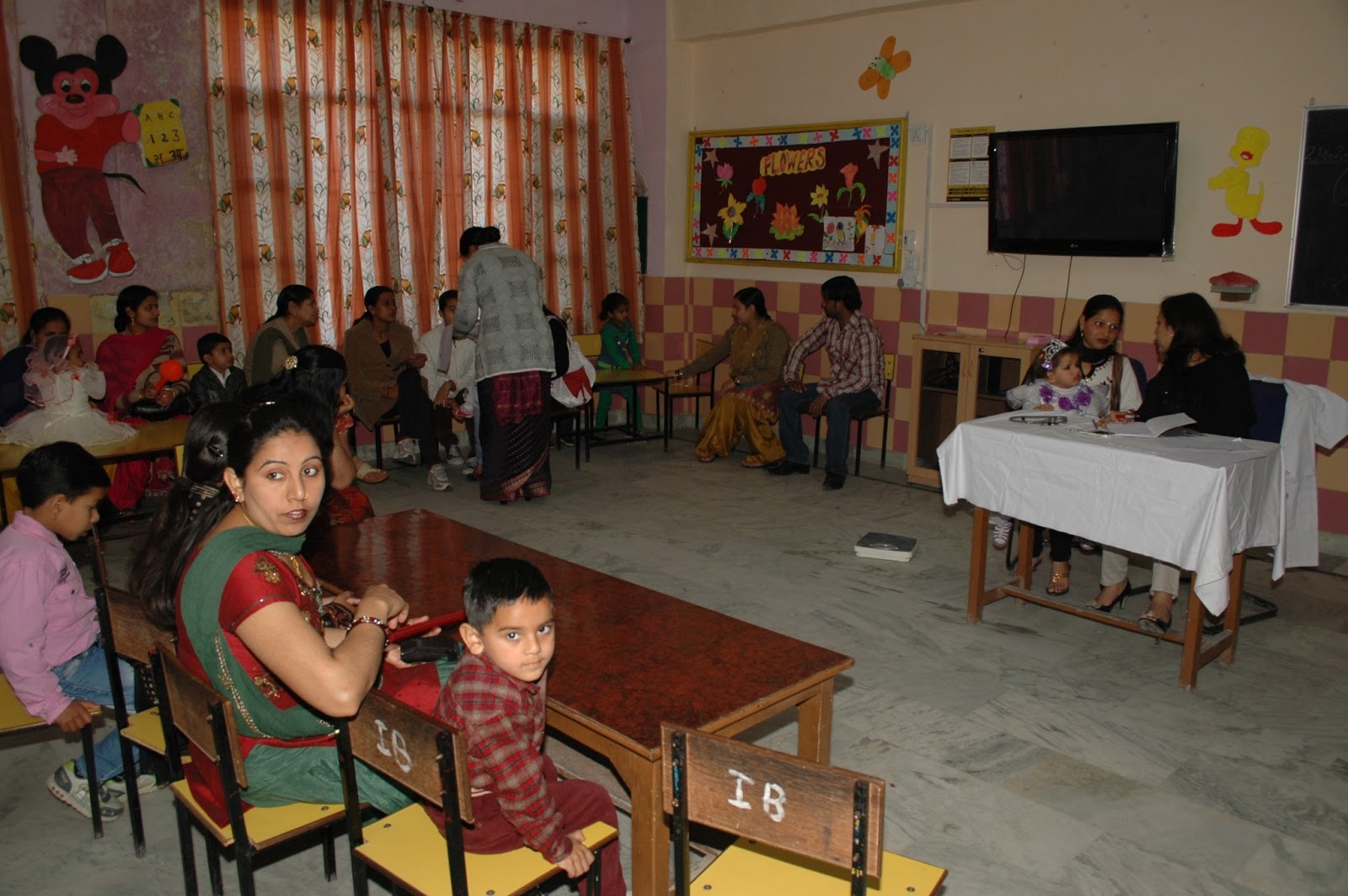
Baby Show and Talent Show
St. Teresa Convent School is organizing a
Baby Show and Talent Show
on
Sunday, February 24, 2013
Join us for a fun -filled day!!
Loads of activities!!
For details : (+91) 9256908170
Sunday, February 3, 2013
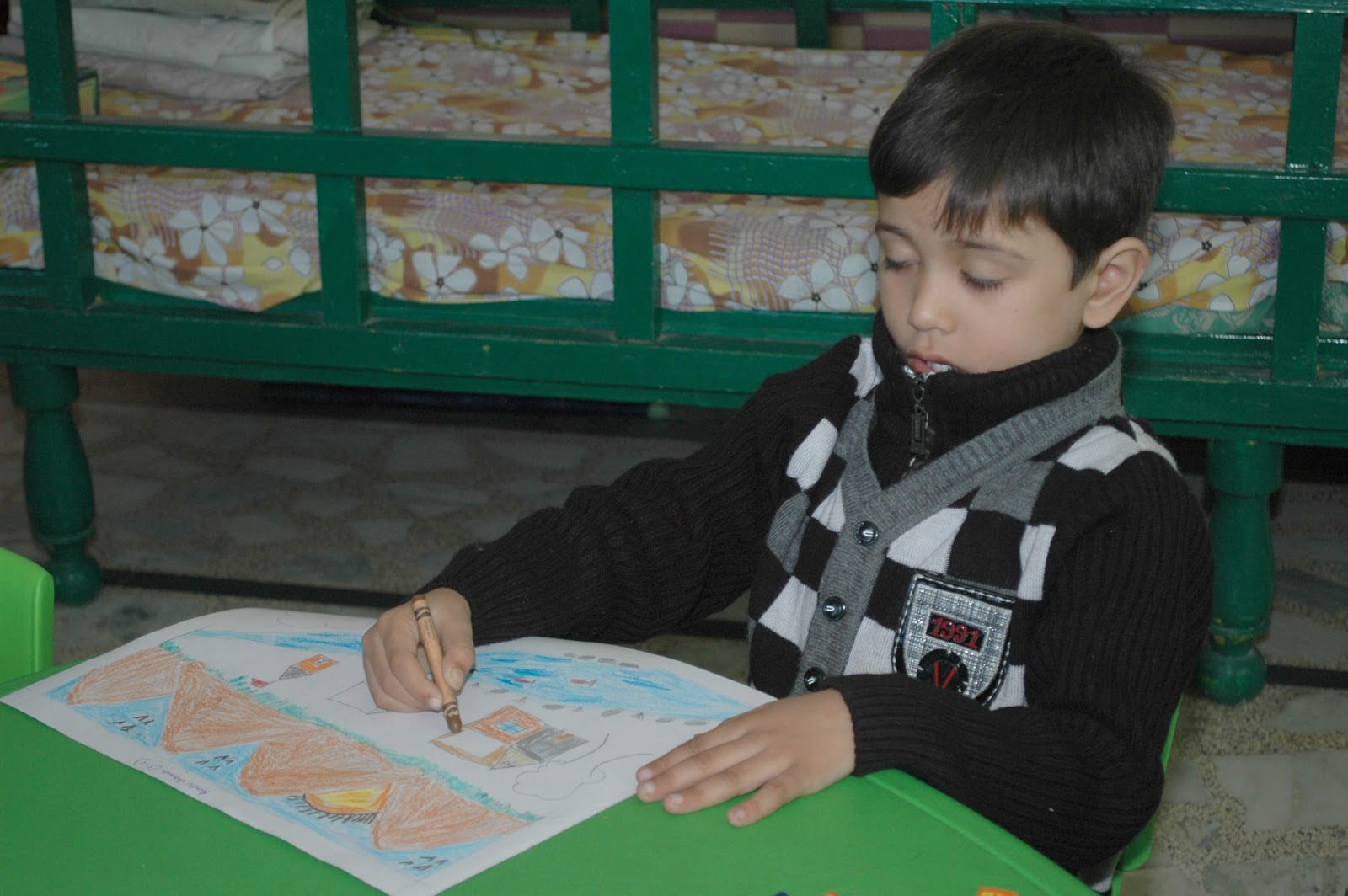
Learning to Write
Getting ready for writing
We will model how to form letters (graphemes) correctly, so that children can eventually acquire a fluent and legible handwriting style. These skills develop over a long period of time. A child’s ability to form a letter correctly is a separate skill from phonics. Holding a pen or pencil needs considerable co-ordination and practice in making small movements with hands and fingers.
In the early stages of phonics children can use letter cards or magnetic letters to demonstrate their knowledge of phonics.
Writing in lower-case letters
We shall be teaching lower-case letters, as well as capital letters. As most writing will be in lower-case letters it is useful if you can use these at home. A good start is for your child to write their name correctly, starting with a capital letter followed by lower-case letters.
We use the fully cursive handwriting script – attached is an example.
Ways you can support your children at home
Using their whole body
For handwriting children need to be well co-ordinated through their whole body, not just their hands and fingers. Games that help co-ordination include throwing balls at a target, under-arm and over-arm, and bouncing balls – also skipping on the spot, throwing a Frisbee, picking up pebbles from the beach and throwing them into the sea. Have fun!
Hand and finger play
Action rhymes such as ‘Incy wincy spider’, ‘One potato, two potato’ and ‘Tommy Thumb’ are great fun and get their hands and fingers moving. Playing with salt dough or clay really helps strengthen little fingers, as does cookery and using simple toolkits.
Hand–eye co-ordination
Pouring water into jugs and cups of different sizes, sweeping up with a dustpan and brush, cutting, sticking, tracing, threading beads, completing puzzles, peeling off stickers and sticking them in the right place – these all help hand–eye co-ordination.
Pencil hold
The ‘pincer’ movement needs to be practised. This is important as it enables children to hold a pencil properly as they write. Provide them with kitchen tongs and see if they can pick up small objects. Move on to challenging them to pick up smaller things, for example, little cubes, sugar lumps, dried peas, lentils, first with chopsticks, then with tweezers.
Ask children to peg objects to a washing line.
Provide plenty or different types of pen and pencil; hold their hand to practise the correct grip.
As the children progress they will be introduced to other phonemes.
They will also be taught the ‘tricky’ words – those that cannot be read or spelt using the sounds of the letters. E.g. to, no, the, go. This will be achieved through the use of flash cards and games.
Ways you can support your child at home
· Set a timer. Call out one word at a time and get your child to spell it on a magic board or a small whiteboard, against the timer – remember, they can use magnetic letters.
· Play a game – hunt the word - hide words in sand or flour, set a timer, hold up the word that you want them to hunt for, and ‘go’! Repeat the word and encourage them to say –‘I am looking for the word ‘the’.
· Play ‘Pairs’, turning over two words at a time trying to find a matching pair. This is especially helpful with the tricky words: the the, to to, no no, go go, I I
· Don’t worry if they get some wrong! These are hard to remember – they need plenty of practice.
As the children make even more progress, they will be introduced to the remaining phonemes, and given time to practise and consolidate their new learning.
Obviously, the more children are exposed to activities involving letters and sounds, the quicker they will consolidate their newly acquired skills.
Your involvement in this new learning is vital, and we ask that whenever possible you take time to encourage them to use their new knowledge through the activities outlined above.
Thank you for showing your interest and if anything that has been discussed needs more clarification, then please do not hesitate to contact the teacher in-charge.
Learning to Read
Skills for reading and writing
·
Speaking and listening are the
foundations for reading and writing.
·
Even everyday activities such as
preparing meals, tidying up, putting shopping away and getting ready to go out
offer you the chance to talk to your child, explaining what you are doing.
Through these activities, children hear the way language is put together into
sentences for a purpose.
·
Books are a rich source of new
words for your child; words you would not use in everyday conversations appear
in books. Children need to have a wide vocabulary to understand the meaning of
books, so read aloud and share books as often as you can. They will enjoy it
and it will be useful to them when they come across these words in their own
reading later on.
Ways you can
support your children at home: talking and listening
- Make time to listen to your child talking – as you meet them from their setting or school, as you walk, or travel home by car, in the supermarket as you shop, at meal times, bath times, and bedtimes – any time!
·
Switch off the TV, radio and mobile phones – and really listen!
- Show
that you are interested in what they are talking about – look at your child, smile, nod your
head, ask a question or make a response to show that you really have been
listening.
- Make a collection of different toy creatures – for example, a duck, a snake, an alien, say the sound it might make as you play together, for example, ‘quack-quack’, ‘ssssssss’, ‘yuk-yuk’, and encourage your child to copy you.
- Listen at home – switch off the TV and listen to the sounds, both inside and outside the home. Can your child tell you what sounds they heard, in the order in which they heard them?
- Play-a-tune – and follow me! Make or buy some simple shakers, drums and beaters, then play a simple tune and ask your child to copy. Have fun!
- Use puppets and toys to make up stories or retell known ones. Record your
child telling the story and play it back to them.
As we begin to teach the children the skills that they
will need in order to be successful readers and writers, we focus on speaking
and listening activities.
We explore body sounds, sounds in the environment, the
difference in the sounds of percussion instruments, rhythm and rhyme, voice
sounds and alliteration - words that all begin with the same initial sound – ‘sad,
Sammy snake’, ‘big, bad bug’.
All the way through we also teach the skills of
‘blending’ and segmenting’.
·
Blending
We teach the children how to blend or merge sounds
together to read each word, in the right order, to read a word. E.g. c-a-t =
cat.
·
Segmenting
We teach the children how to segment each word to
spell. E.g. cat = c-a-t
The aim is for the children to read the whole word
automatically.
These activities are all done orally. The emphasis is
on helping children to hear the separate sounds in words and to create spoken
sounds.
Ways you can
support your children at home
Sound-talking or Robot-talking
Find real objects
around your home that have three phonemes (sounds)
and practise ‘sound talk’. First, just let them listen, then see if they will
join in, for example, saying:
‘I spy a p-e-g – peg.’
‘I spy a c-u-p – cup.’
‘Where’s your other s-o-ck – sock?’
‘Simon says – put your hands on your h-ea-d.’
‘Simon
says – touch your ch-i-n.’
We
teach the children the smallest unit of sound – called a ‘phoneme’.
This
is the order in which the ‘phonemes’ are taught and practised. Correct
pronunciation is vital!
c
not cuh or cee b not buh or bee a not ay
Set 1 letters = s, a, t, p
Set 2 letters = i, n, m, d
Set 3 letters = g, o, c, k
Set 4 letters = ck, e, u, r
Set 5 letters = h, b, f,ff, l,ll, ss
Set 6 letters = j, v, w, x
Set 7 letters = y, z,zz, qu
A
phoneme can be represented by more than one letter. E.g. ll as in bell ss as in hiss ck as
in sock.
Ways you
can support your children at home
Magnetic letters
Buy
magnetic letters for your fridge, or for use with a tin tray. Find out which
letters have been taught – have fun finding these with your child and place
them on the magnetic surface.
Making little words together
Make little words
together, for example, it, up, am,
and, top, dig, run, met,
pick. As you select the letters, say
them aloud: ‘a-m – am’, ‘m-e-t – met’.
Breaking words up
Now do it the other
way around: read the word, break the word up and move the letters away, saying:
‘met – m-e-t’.
Both these activities help children to see that reading and spelling
are reversible processes.
Don’t forget the writing box!
Spelling is harder
than reading words – praise, don’t criticise. Little whiteboards and pens, and
magic boards, are a good way for children to try out spellings and practise
their handwriting.
Your child might be
trying to use letters from their name to write; this shows that they know that
writing needs real alphabet letters.
Make or buy an
alphabet poster.
Subscribe to:
Posts (Atom)